November 12, 2026
Lost Your House Key? Here’s What to Do Next (and When to Rekey)
By @practicallocknotes
Losing a house key is one of those small events that can feel surprisingly big. You pat your pockets, check the usual hook by the door, retrace your steps, and still nothing. For a moment it is just an annoyance. Then the worry sets in: who might find it, and what does that mean for your home's security? The good news is that you have clear, practical options. The path you choose depends on a few simple factors, and knowing them ahead of time makes the decision much easier.
Step One: Look Methodically Before You Assume the Worst
Before you call anyone or change anything, give the key a real search. A missing key often turns up in an unexpected spot. Check the usual places again, but slowly: under the seat cushions in the car, the bottom of your bag or backpack, the jacket you wore yesterday. Keys slip between couch cushions, fall behind a dresser, or end up in a kitchen drawer where you set them down while carrying groceries. Ask anyone else in the household if they borrowed it. A thorough search takes fifteen minutes and can save you the time and cost of replacing locks.
If you still cannot find it, take a moment to think about when you last had it. Was it at a friend's house? A store? A restaurant? Retracing your steps in your mind can jog a memory. If the key had a keychain fob or a distinctive tag, it may have been turned in to a lost and found. Call the places you visited and ask. This step is simple but often skipped, and it can resolve the whole situation quickly.
Step Two: Decide How Much Risk You Are Willing to Accept
Not every missing key carries the same level of risk. If you lost a spare key that has no identifying tag or address on it, and you live in a low-traffic area, the chance that someone will find it and connect it to your home is small. On the other hand, if the key had a keychain with your address, your building fob, or a gym membership tag, the risk is much higher. A stolen key is a different situation altogether. If your wallet was taken, or if your keys vanished from a place where theft is possible, assume someone now has access to your home.
Your decision about what to do next should be based on this risk assessment. If the risk feels low, you might choose to wait a day or two before taking action. If the risk is high, you will want to act immediately. There is no single right answer, but most people lean toward caution once they think it through. Your home's security is not something to gamble with lightly.
Step Three: Know Your Options for Restoring Security
Once you decide that the key is not coming back, you have two main routes: rekeying or replacing the lock. Both restore security, but they work differently and suit different situations.
Rekeying the Lock
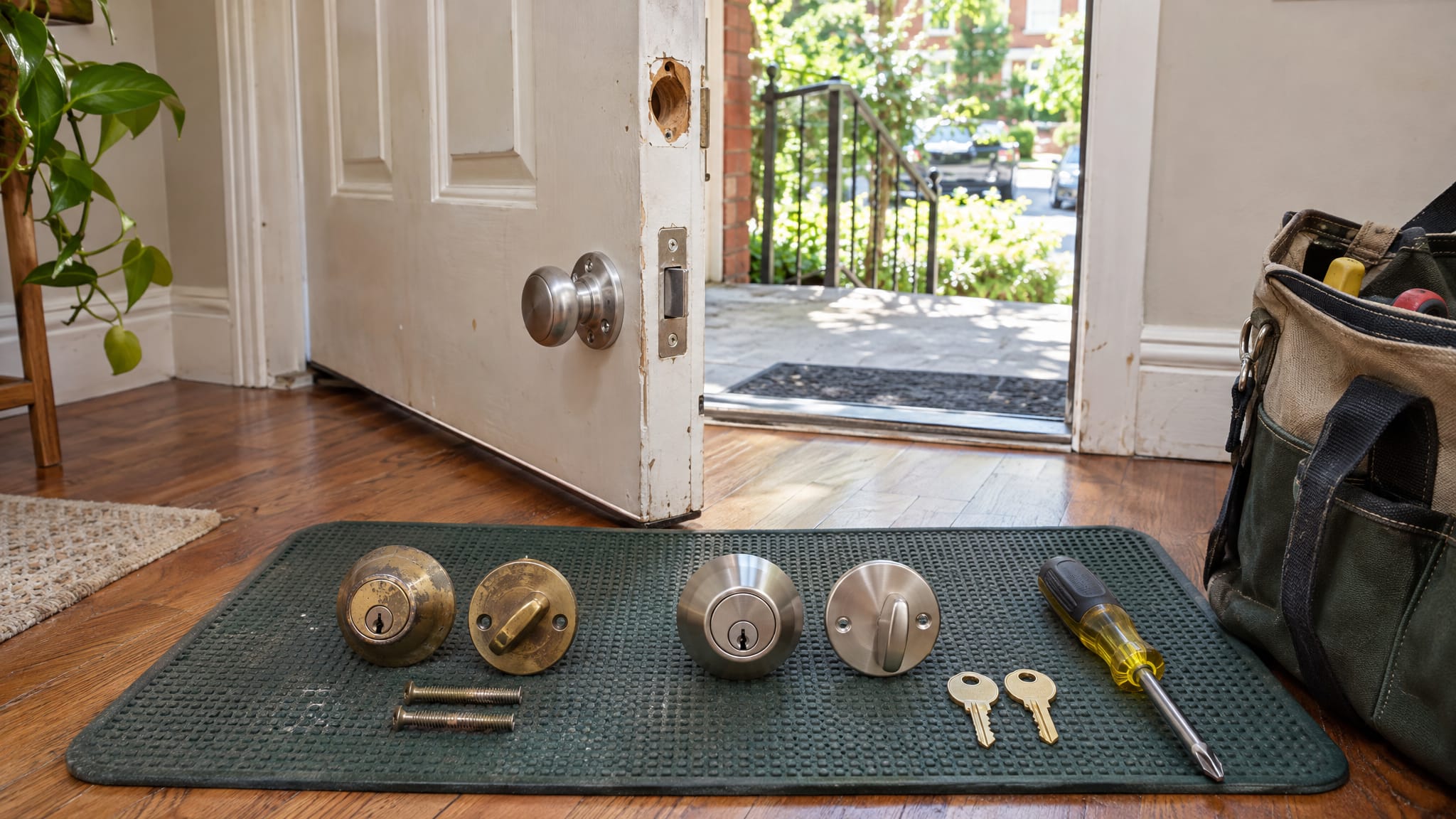
Rekeying means changing the internal pins inside the lock cylinder so that the old key no longer works. A new key is cut to match the new pin arrangement. The lock hardware stays the same, so the exterior appearance and handle remain unchanged. This is often the faster and less expensive option. It works well when the lock itself is in good shape and you are happy with its quality. A locksmith can rekey most standard pin-tumbler locks on the spot, usually within a few minutes per cylinder.
Rekeying is especially practical when you own multiple locks that all use the same key. A locksmith can rekey all of them to match a single new key, so you do not end up with a handful of different keys for different doors. This is a common request from homeowners who want the convenience of one-key access across their property.
Replacing the Lock
If your lock is old, worn, or damaged, replacement may be the better choice. A new lock comes with its own set of keys and often has updated features like anti-bump technology or a sturdier strike plate. Replacement takes a bit longer and costs more than rekeying, but it gives you a fresh start with modern hardware. This is also the right path if you want to upgrade to a different type of lock, such as moving from a basic key-in-knob lock to a deadbolt or a smart lock.
For tenants, check your lease before making any changes. Many landlords require that any lock work be done by a professional they approve, and some leases specify that only rekeying is allowed, not full replacement. Landlords themselves may prefer rekeying between tenants because it is faster and keeps the hardware consistent across units.
Step Four: Call a Locksmith You Trust
For most people, the smartest move is to call a local locksmith. A professional can assess your lock in person, tell you whether rekeying or replacement makes more sense, and do the work on-site. They carry the tools and blank keys needed for most common lock brands. A good locksmith will also check the rest of your entry door hardware for any wear or misalignment that could cause problems later.
When you call, have the door lock brand and model ready if you know them. The locksmith can then confirm they have the right parts. If you have a high-security lock or a restricted-key system, they may need to order specific components. For most standard residential locks, the job is straightforward and can be completed the same day.
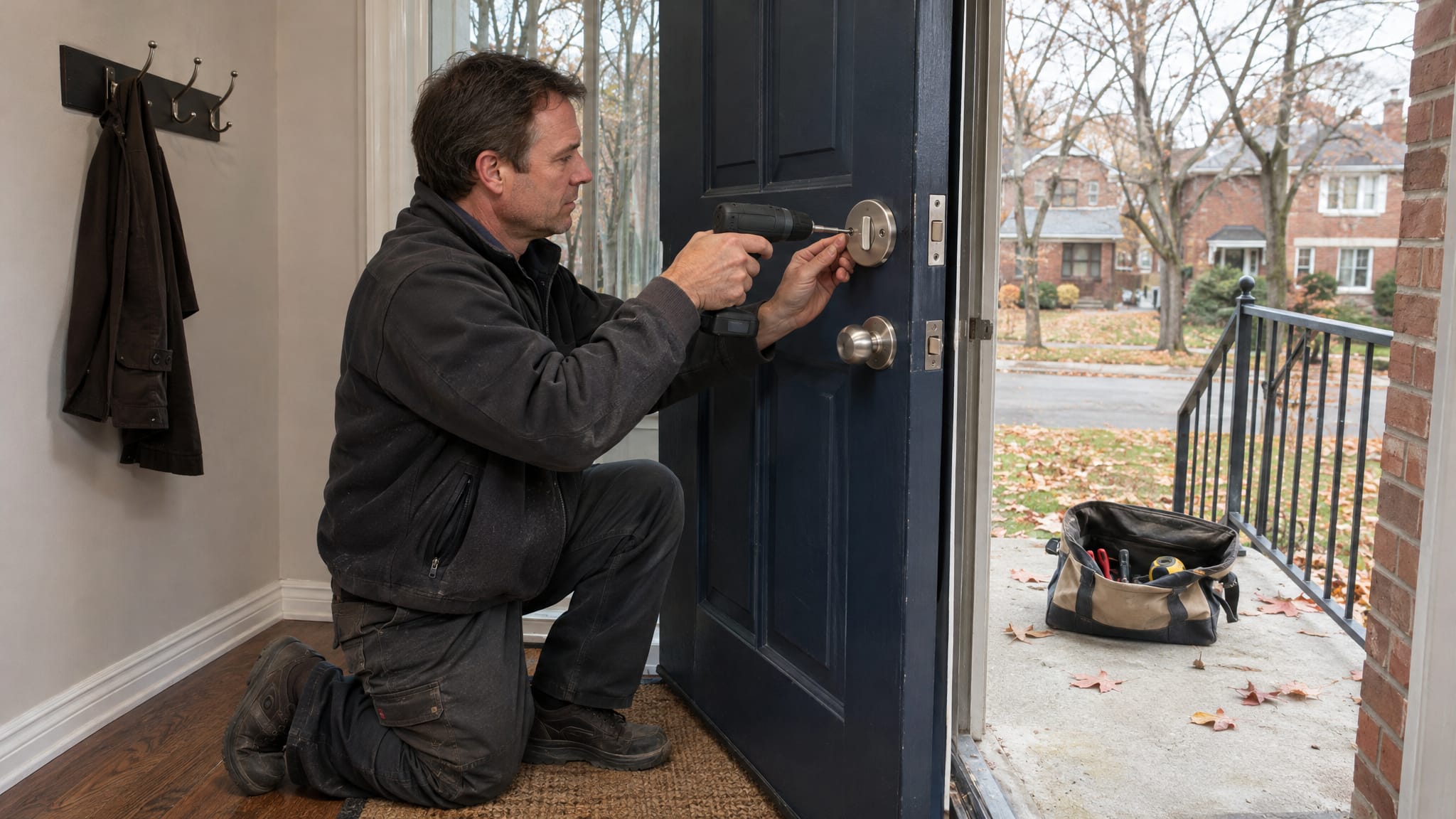
If you live in the North York area and need fast, reliable help, a service like Lock Change North York can handle both rekeying and lock replacement for homeowners and businesses. They understand the local lock types and building codes, which can save time and avoid complications. That kind of local knowledge matters when you are trying to get your home secured quickly after a lost key.
Step Five: Handle Spare Keys and Key Control
Once your locks are updated, think about how you manage spare keys going forward. Many lost-key situations happen because there are too many copies floating around. A good rule is to keep only one spare, given to a trusted neighbor or family member who lives nearby. That spare should be stored in a secure location, not under a doormat or in a fake rock. A small lockbox that attaches to a railing or a hose bib is a better option if you need outdoor access for emergencies.
If you have given keys to a house cleaner, a dog walker, or a contractor, consider whether those copies still need to exist. If you rekeyed the locks, those old keys are now useless, which is a good time to reset who has access. For ongoing access needs, some people prefer a programmable keypad lock that lets you issue temporary codes instead of handing out physical keys. That is a larger investment, but it gives you complete control over who enters and when.
Watch for These Common Pitfalls
Even when you follow the right steps, a few mistakes can make the process harder than it needs to be. One common error is assuming that rekeying is impossible for your lock type. In reality, most residential locks found on entry doors can be rekeyed. The few exceptions include some older or very cheap locks with non-standard cylinders. A locksmith can tell you for sure.
Another pitfall is waiting too long to act. If you lost a key that has any identifying information attached to it, every day you wait increases the chance that someone will use it. Do not put off the call because you hope the key will turn up. Make the decision and move forward. You can always cancel the appointment if you find the key later, but you cannot undo a security breach that has already happened.
Finally, do not try to rekey a lock yourself unless you have the right tools and experience. Lock cylinders contain small pins and springs that are easy to lose or damage. A botched DIY rekey can leave you locked out or with a lock that jams at the worst possible moment. The cost of a professional is small compared to the frustration of a broken lock on a cold evening.
When Rekeying Is the Clear Choice
Rekeying is usually the right call when the lost key is the only problem. Your lock works fine, the door fits properly, and you just need to make sure the old key cannot open it anymore. It is fast, cost-effective, and does not require changing the look or feel of your door. For landlords managing multiple units, rekeying between tenants is standard practice because it keeps the hardware consistent while ensuring each new tenant has unique keys.
For homeowners, rekeying after a lost key gives you peace of mind without a major disruption. You get a fresh set of keys, and you can have all your exterior doors keyed alike if you wish. That convenience alone is worth the service call for many people. A local locksmith like Lock Change North York can often complete the job in under an hour, depending on how many locks need attention.
Final Thoughts on Moving Forward
Losing a key is never fun, but it does not have to turn into a long, stressful ordeal. The steps are simple: search carefully, decide on the level of risk, choose between rekeying and replacement, call a professional, and manage your spares better going forward. Each step gives you back a little more control until your home feels secure again. The key, so to speak, is acting deliberately rather than panicking. With a clear plan, you can resolve the situation in an afternoon and sleep easy that night.
❧